
2026 Design Trends for Multi-Million Dollar Homes in Arizona
View 2026 design trends for multi-million dollar custom homes in Arizona. Learn how custom estates in Scottsdale, Paradise Valley, and Phoenix are designed in Arizona's most prestigious cities.
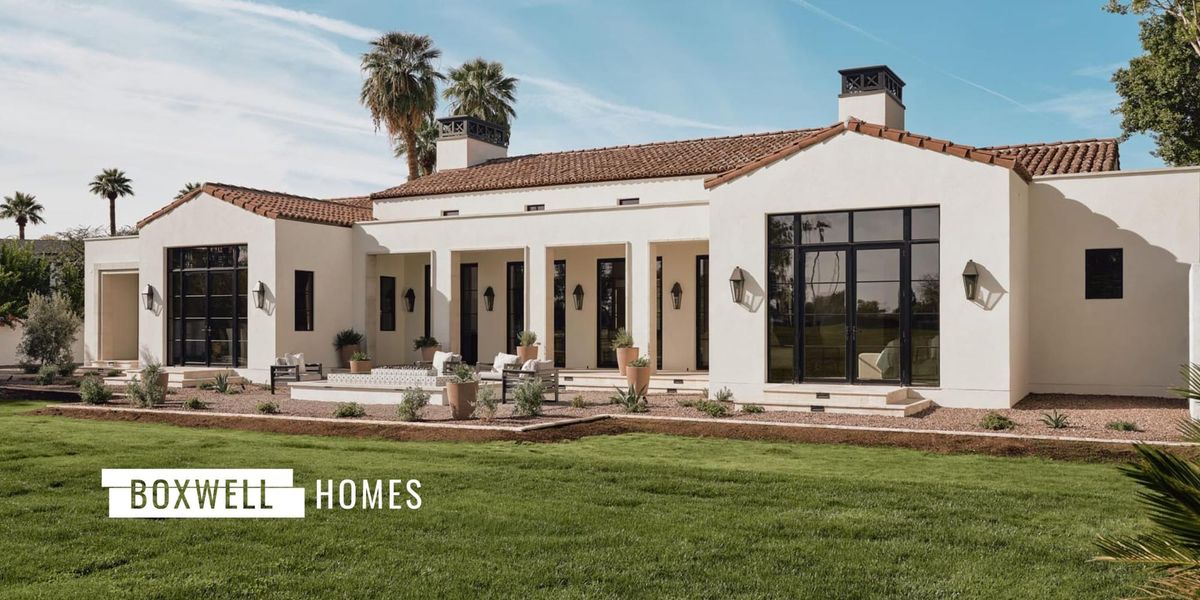
The Arizona luxury real estate market stands at a fascinating intersection. While Phoenix, Scottsdale, and Paradise Valley continue their transformation into havens for the ultra-wealthy, architectural preferences have evolved beyond the uniform beige stucco that once dominated the valley. Today's discerning homebuyers—often relocating from coastal markets with $5 million budgets or more—demand residences that speak to both their aesthetic sensibilities and the unique demands of desert living.
The architectural landscape of Arizona's most exclusive neighborhoods now tells seven distinct stories. Each style represents more than mere trend-following; these are deliberate choices that reflect how people want to live in one of America's fastest-growing luxury markets.
Desert Contemporary: When Glass Meets Sand
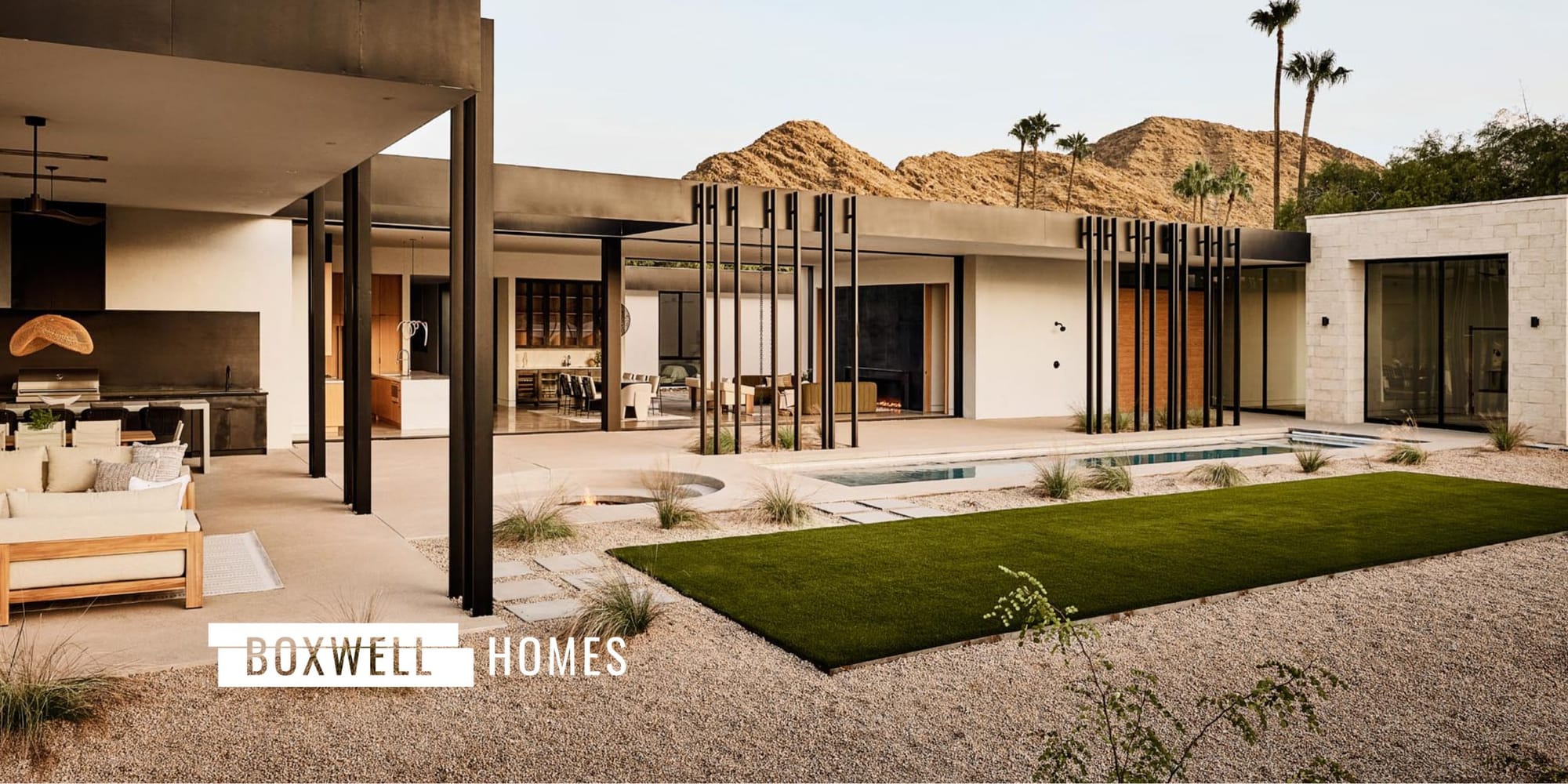
The Camelback corridor has become ground zero for a quiet revolution in desert architecture. Drive through Paradise Valley's most exclusive streets, and you'll notice something striking: homes that appear to hover rather than sit. This isn't accident—it's the defining characteristic of Desert Contemporary, where Frank Lloyd Wright's legacy meets 21st-century technology.
These structures reject ornamentation entirely. Floor-to-ceiling glass walls—some spanning 30 feet without interruption—custom builders in Paradise Valley dissolve boundaries between climate-controlled interiors and landscapes where temperatures regularly exceed 115 degrees. The seeming contradiction resolves through engineering: triple-paned, low-E glass with argon fills, combined with strategic roof overhangs calculated to block summer sun while welcoming winter light.
The style prioritizes clean lines and expansive glass walls that frame views of Camelback Mountain, city lights, or Sonoran sunsets. But the real sophistication lies beneath the minimalism. These homes integrate sustainable building practices, including energy-efficient windows, solar integration, and water-conserving features.
Material palettes trend toward the monochromatic: board-formed concrete that develops its own patina, blackened steel that absorbs heat without radiating it into living spaces, and rammed earth walls that regulate temperature through thermal mass. The aesthetic reads as austere until you experience it at sunset, when the desert's golden hour transforms stark surfaces into canvases for light.
The luxury here isn't in embellishment—it's in restraint. A single, perfectly placed sculpture holds more weight than a gallery wall. The negative-edge pool becomes a reflecting plane that mirrors sky and mountain. Interiors feature sleek, clean-lined furnishings that complement contemporary building materials of concrete, glass and steel.
For buyers spending $3 million and up, Desert Contemporary signals something specific: they understand that in Arizona, the landscape itself provides all the decoration needed.
Modern Ranch: The New American Classic
The ranch-style home could easily have remained frozen in the 1960s—long, low, and frankly boring. Instead, it's experiencing a renaissance among families who want space without pretension. Modern interpretations appearing across Silverleaf and DC Ranch bear little resemblance to their suburban predecessors.
Ranch-style houses adapt to indoor-outdoor living by hugging the earth and conforming to the lines of the desert, making them ideal for desert living due to their aesthetic awareness of their surroundings. Today's versions push single-story living to new heights—literally. Vaulted ceilings soar 14, 16, even 18 feet, creating volume that fights the horizontal emphasis. Clerestory windows placed at these peaks flood interiors with indirect light while maintaining privacy from neighbors.
The appeal is practical. Aging-in-place isn't just for retirees anymore; parents with young children appreciate that everyone sleeps on one level. Multi-generational families find the layout accommodates live-in help without sacrificing anyone's independence. The open floor plans that define the style—great rooms that seamlessly connect kitchens, dining, and living areas—facilitate the kind of casual entertaining that Arizona's climate encourages year-round.
Material choices skew warm: white oak floors in wide planks, textured plaster walls that catch light without competing for attention, and cabinetry in muted tones that let the desert views dominate. The homes feel expansive yet intimate, a trick accomplished through careful zoning rather than walls. A breakfast nook defined by a lowered ceiling becomes its own realm within the great room; a reading alcove carved into a hallway offers retreat without isolation.
Outdoor connections aren't afterthoughts—they're central to the design. Walls of sliding glass disappear into pockets, transforming interior spaces into covered patios in seconds. The distinction between inside and outside becomes so fluid that homeowners find themselves eating breakfast outdoors in January, a luxury that never loses its novelty.
Mediterranean/Spanish Colonial: Courtyards and Craft
There's a reason why Paradise Valley's oldest estates trend Mediterranean. The style arrived in Arizona through California's 1920s revival, when architects realized that Spanish Colonial design—developed for the Iberian Peninsula's climate—translated perfectly to the Sonoran Desert.
Spanish Colonial homes feature thick, earth-toned stucco or adobe walls that act as natural insulators against desert heat, with flat roofs featuring wooden beams called vigas protruding out. The thick walls aren't aesthetic choice; they're thermal strategy. Foot-thick stucco absorbs daytime heat and releases it slowly overnight, moderating temperature swings that can span 40 degrees.
But thermal efficiency alone doesn't explain the style's enduring appeal among luxury buyers. Walk through a properly designed Spanish Colonial home, and you experience architecture as narrative. The sequence matters: you don't enter directly into living spaces. Instead, you're greeted by courtyards centered around bubbling stone fountains, with views extending through the house to private botanical gardens.
This choreography—the journey through semi-private outdoor rooms before reaching interiors—creates a sense of arrival that impresses without ostentation. The best examples layer experiences: first the entry courtyard with its fountain, then the main living areas, finally the rear loggia opening to pool and mountain views. Each transition marked by the same elements: rounded archways, hand-carved doors, wrought iron details that demonstrate master craftsmanship.
Architects like Michael Higgins, who designed the "House of 100 Arches," exemplify this style's possibilities. In luxury iterations, the tilework alone can cost six figures—hand-painted Talavera tiles from Mexico, fitted by artisans who've practiced their craft for generations. These aren't homes you flip in five years; they're estates built to host generations.
The style particularly appeals to empty nesters and international buyers who understand that architecture can be both functional and romantic. Red tile roofs may be impractical compared to cool roofs, but they photograph beautifully and signal permanence in a market where many homes feel disposable.
Tuscan: Italian Countryside Meets Sonoran Desert
Tuscany and Arizona share more than climate—both landscapes feature dramatic mountains, intense light, and vegetation that survives on minimal water. Perhaps that's why Tuscan architecture translates so effectively to places like Scottsdale's Silverleaf, where villas that could sit outside Siena instead overlook golf courses and saguaro forests.
Tuscan-style houses are grand and luxurious but balance rusticity, combining classic farmhouse elements with ornate details, and are common in Arizona due to warmer climates that mimic European climates. The style reads immediately: terracotta roofs in warm, uneven tones; stone facades that look hand-laid rather than manufactured; and colors pulled from the Italian countryside—golden ochres, burnt siennas, olive greens.
Arched entryways serve as the style's signature. These aren't the perfect semicircles of Roman architecture; Tuscan arches are slightly flattened, creating a more relaxed geometry that welcomes rather than impresses. You'll often find arched doorways, windows, and entryways adorned with wrought iron grilles, lanterns, or balconies, adding both decorative and practical value.
Interiors lean heavily into texture. Walls are textured with faux finishes such as aged patina—lots of travertine, terracotta, or hand-painted ceramic tiles in floors, backsplashes, and stair risers. Exposed wooden beams—genuine reclaimed timber rather than faux alternatives—cross ceilings in patterns that reference traditional post-and-beam construction. The overall effect should feel like the home has existed for centuries, even when construction finished last year.
The challenge lies in avoiding theme-park excess. Successful Tuscan homes in Arizona's luxury market show restraint: they might feature an outdoor brick pizza oven, but it's designed for actual use rather than Instagram. The wine cellar is climate-controlled properly, not just atmospheric. Stone pathways lead somewhere purposeful rather than meandering for effect.
Buyers gravitating toward Tuscan style tend to prioritize entertaining. These homes are designed around gathering—the chef's kitchen often connects directly to outdoor dining areas where overhead fans and misting systems make al fresco meals comfortable even in July. Multiple seating zones, from intimate conversation areas to long harvest tables, accommodate everything from wine tastings to extended family celebrations.
Southwestern/Territorial: Heritage in High Relief
Arizona's architectural heritage runs deeper than most luxury buyers realize. Before contemporary and Mediterranean styles dominated, Territorial architecture defined the state's built environment. The style emerged during Arizona's territorial period (1863-1912), when American settlers adapted Spanish Colonial traditions to local conditions and materials.
Territorial-style homes combine Spanish and Western influences with squared-off, more structured designs, typically featuring stucco walls, brick trim accents, and decorative woodwork. Unlike the rounded forms of pure Southwestern style, Territorial embraces straight lines and right angles. Windows are rectangular rather than arched, framed with wood lintels painted in traditional colors—deep blues, barn reds, forest greens that contrast beautifully with earth-toned stucco.
The material palette tells Arizona's story. Exposed wooden beams called vigas, natural stone, and stucco walls are common, designed to keep interiors cool in hot climates. Modern luxury interpretations maintain these elements while upgrading performance: vigas that once served structural purposes now frame engineered roof systems; stone selected for its insulation value rather than just aesthetics; stucco applied over advanced moisture barriers.
Color plays a crucial role. Southwestern homes feature earthy color palettes using sandy beige, terracotta, and muted greens that create a calming environment mirroring natural desert hues. But the best examples understand that "earthy" doesn't mean dull—accents of turquoise and deep red, drawn from Native American traditions, provide visual interest without overwhelming.
What distinguishes Southwestern/Territorial from other styles is its celebration of craft. Heavy wood doors are hand-carved; iron hardware is forged rather than cast; kiva fireplaces—those distinctive corner structures unique to the Southwest—are shaped by hand. In an era of manufactured everything, this emphasis on artisanship resonates with buyers who value authenticity.
The style works particularly well on larger lots where the horizontal emphasis can sprawl without constraint. Single-story designs that ramble across the landscape, connecting courtyards and covered patios, create compounds rather than mere houses. For families who want space for horses, separate guest casitas, or workshop areas, Southwestern/Territorial architecture provides a framework that accommodates complexity while maintaining visual coherence.
Craftsman: Handbuilt in the Heat
When buyers associate "Craftsman" with architecture, they usually picture Pasadena or Seattle—cool climates where the style emerged as part of the Arts and Crafts movement. So what's it doing in 115-degree summers? Arizona's Craftsman homes represent thoughtful adaptation, taking the style's core principles—natural materials, visible joinery, integration with landscape—and translating them for desert conditions.
Craftsman homes are built of real wood, stone and brick, featuring built-in furniture and light fixtures, with porches having thick square or round columns and stone porch supports. The broad front porches that define the style become essential in Arizona—they provide transitional space between baking exterior and climate-controlled interior, functioning as outdoor rooms for much of the year.
Material selection becomes crucial. The wide eaves and exposed rafters characteristic of Craftsman design actually perform brilliantly in Arizona, creating shade that reduces cooling loads. The style celebrates handcrafted elements and natural materials like wood and stone, with low-pitched gable roofs and decorative brackets. Natural stone from Arizona quarries—flagstone, sandstone, or basalt—grounds the homes literally and figuratively, while wood elements receive special treatments to withstand UV exposure and temperature extremes.
The style's emphasis on built-ins solves storage challenges elegantly. Window seats provide places to watch desert storms roll in; built-in bookcases and cabinetry maximize space without cluttering floors with freestanding furniture; and box-beam ceilings with their visible joinery add architectural interest that makes tall ceilings feel intimate rather than cavernous.
Luxury Arizona Craftsman homes often incorporate contemporary materials while maintaining traditional forms. The columns supporting that generous front porch might be clad in stone rather than painted wood; the shake roof could be concrete tiles that mimic wood's appearance while lasting fifty years; the leaded glass windows might feature low-E coatings invisible to the eye but critical for comfort.
The appeal cuts across demographics. Families appreciate the style's livability—rooms that flow without being completely open, spaces defined by purpose rather than walls. Design professionals value the integrity of visible structure and honest materials. Retirees find the human scale more welcoming than contemporary minimalism.
Farmhouse: Rustic Refined
Arizona farmhouse style requires immediate clarification: we're not talking about working agricultural buildings. Instead, this is Modern Farmhouse—a design movement that's swept from Pinterest boards into Paradise Valley's most exclusive neighborhoods, where "rustic charm meets refined simplicity."
Modern farmhouse design has resonated with buyers and developers in Arizona's Valley of the Sun, with 18% of new homebuyers in 2023 citing it as a top preference. The style's popularity isn't accidental. It offers something that pure contemporary cannot: approachability. These homes feel like places you can actually live rather than museums where children aren't welcome.
Visual signatures include board-and-batten siding—vertical planks with narrow strips covering seams—painted in stark whites or soft grays that contrast beautifully with Arizona's red rock and desert landscapes. Metal roofs, often standing-seam, reference rural buildings while providing superior heat reflection. Black-framed windows—lots of them, often in grids—create that coveted "industrial meets agricultural" aesthetic.
Inside, the formula looks simple but proves challenging to execute well. Modern farmhouse floor plans feature open-concept layouts where kitchens flow seamlessly into great rooms and dining areas, with vaulted ceilings and gourmet kitchens with oversized center islands. The trick is balancing openness with defined zones—achieving that "airy but cozy" feeling that makes the style work.
Materiality matters enormously. Wide-plank wood floors, preferably with visible grain and character marks, ground the spaces. Shiplap—horizontal planks with slight gaps between—might appear on a feature wall, though overuse quickly tips into cliché. Exposed beams, either reclaimed timber or engineered wood that looks convincingly aged, add vertical interest to those soaring ceilings.
The style particularly shines in Arizona because it handles indoor-outdoor living naturally. Covered porches with ceiling fans and comfortable seating become extensions of the home's living space. Outdoor kitchens with farmhouse sinks and reclaimed wood countertops feel coherent rather than tacked on. The overall effect is casual sophistication—homes where you can host elegant dinner parties or let kids track in pool water without stress.
Critics argue that Modern Farmhouse is trend rather than timeless. However, the style shows staying power in Arizona due to widespread appeal across generations, sustainability features, and cultural fit with the region's character. Time will tell whether today's farmhouse homes age as gracefully as Spanish Colonial estates, but for now, they represent what a significant segment of luxury buyers want: beauty without intimidation, quality without pretension.
Making the Choice
Selecting an architectural style for a multi-million-dollar home involves more than aesthetic preference. These decisions reflect lifestyle priorities: Will you entertain frequently? Do you need single-story living? How much maintenance can you handle? Does resale matter, or is this your forever home?
Desert Contemporary appeals to buyers who want to make statements. The style works best on dramatic lots where architecture can command attention. Maintenance stays relatively low—contemporary materials and minimal landscaping don't require constant attention—but utility costs can surprise if solar isn't integrated thoughtfully.
Modern Ranch suits families at any life stage, particularly those who value accessibility and casual living. The style offers excellent resale potential because it appeals broadly, though it risks feeling anonymous if not executed with distinctive details.
Mediterranean/Spanish Colonial and Tuscan styles bring immediate warmth and established luxury signals. Both work beautifully in Arizona's climate and provide natural frameworks for outdoor living. The trade-off? Higher maintenance from tile roofs and more complex hardscaping, plus limited flexibility for future modifications.
Southwestern/Territorial connects buyers to Arizona's heritage while offering functional benefits from centuries of climate-adapted design. The style works best on larger properties where its horizontal nature can spread out, and it appeals particularly to buyers who value authenticity and craft.
Craftsman brings human scale and visible quality to neighborhoods where houses can feel overwhelming. The style demands quality materials and skilled craftsmanship, which increases costs but also creates homes with lasting character.
Modern Farmhouse offers current appeal and remarkable flexibility—the style adapts to everything from compact lots to sprawling estates. Questions about its longevity remain, but for buyers focused on the present, it delivers livability and style in equal measure.
Looking Ahead
Arizona's luxury market continues evolving as climate change, water scarcity, and energy costs transform what "sustainable luxury" means. Smart home systems, solar integration, and water-conserving features are increasingly important to homeowners who want both luxury and responsibility.
The architectural styles that thrive will be those that adapt. Desert Contemporary already leads in sustainability through passive solar design and minimal water demands. The best Spanish Colonial and Tuscan homes now incorporate modern mechanical systems behind traditional facades. Southwestern/Territorial's inherent climate-responsiveness positions it well for Arizona's future.
What won't change is the fundamental truth that great architecture serves life rather than dictating it. Whether you build Desert Contemporary or Mediterranean, Modern Ranch or Craftsman, the goal remains constant: creating homes that enhance how you want to live in one of America's most dramatic and demanding landscapes.
The desert doesn't forgive architectural pretension. But it rewards thoughtful design that respects climate, celebrates craft, and creates spaces where life unfolds beautifully. In 2026 and beyond, that's what distinguishes luxury homes from merely expensive ones.
Frequently Asked Questions
What architectural style holds value best in Arizona's luxury market?
Mediterranean and Spanish Colonial styles have demonstrated the strongest long-term value retention in Arizona's high-end markets, particularly in established areas like Paradise Valley. These styles align with the region's climate and aesthetic expectations, appealing to multiple generations of buyers. However, exceptionally well-executed examples of any style maintain value if located on premium lots with mountain or city views.
How much does architectural style affect construction costs for homes over $2.5 million?
Architectural style can swing costs by 20-40% for similar square footage. Desert Contemporary and Modern Ranch typically fall at the lower end due to cleaner lines and less ornate detailing. Spanish Colonial, Tuscan, and Craftsman styles cost more due to specialty materials, custom tile work, exposed beam systems, and skilled artisan labor. Southwestern/Territorial falls in the middle range unless extensive custom metalwork and hand-carved elements are specified.
Can I mix architectural styles in Arizona luxury homes?
Mixing styles requires significant expertise to avoid creating visual chaos. That said, successful high-end homes often blend elements—Tuscan exteriors with contemporary interiors, or Modern Ranch floor plans within Craftsman-influenced exteriors. Work with architects experienced in Arizona's luxury market who understand how to honor each style's principles while creating cohesive designs. The key is maintaining a clear design hierarchy where one style dominates.
Which styles work best for aging-in-place in luxury Arizona homes?
Modern Ranch inherently supports aging-in-place through single-story layouts, wide doorways, and open floor plans. Southwestern/Territorial can work equally well when designed on one level. Desert Contemporary's smooth transitions between indoor and outdoor spaces eliminate problematic thresholds. Any style can incorporate accessibility features, but ranch-style floor plans make it easier to do so without compromising aesthetics.
How important is solar integration for different architectural styles?
Critical for all styles, though integration approaches vary. Desert Contemporary's flat or low-slope roofs accommodate solar arrays easily without visibility from ground level. Traditional styles with tile roofs face greater challenges and costs—arrays must either be visible or placed on auxiliary structures. Some luxury buyers opt for separate solar structures (covered parking areas, pergolas) to preserve historic appearance while achieving energy independence.
What outdoor living features are essential for luxury Arizona homes regardless of style?
Covered outdoor living spaces with misting systems or HVAC extend usability through summer months. Negative-edge pools positioned to capture mountain views appear across all high-end styles. Outdoor kitchens with refrigeration, high-BTU grills, and pizza ovens are increasingly standard. Multiple seating zones accommodating both entertaining and intimate family use. All styles benefit from automated sun shades and smart outdoor lighting systems.
How long does it take to build a custom luxury home in Arizona by style?
Timeline varies more by complexity than style. Simpler Modern Ranch or Desert Contemporary homes can complete in 12-14 months. Spanish Colonial and Tuscan homes requiring imported tiles, custom ironwork, and specialized finishes typically need 16-20 months. Craftsman homes fall in the middle at 14-18 months depending on built-in details and material sourcing. Site conditions, permitting, and material availability impact timelines more than architectural style.
Do HOA restrictions in luxury communities limit architectural style choices?
Yes, significantly. Many prestigious communities maintain strict architectural guidelines. Silverleaf and DC Ranch favor Mediterranean and Tuscan styles with some contemporary allowed. Desert Mountain encourages desert-appropriate designs. Paradise Valley municipal codes allow greater freedom but still regulate height, coverage, and setbacks. Review architectural guidelines before purchasing lots—even six-figure design budgets can't overcome incompatible restrictions.
What defines "authentic" versus "themed" execution of these styles?
Authentic execution respects the style's original climate-responsive principles rather than just copying superficial elements. A themed Spanish Colonial just slaps on a tile roof; an authentic one uses appropriate wall thickness, window proportions, and courtyard placement that manage heat naturally. Authentic designs solve functional problems elegantly; themed designs prioritize appearance over performance. Work with architects who understand the historical context and practical foundations of your chosen style.
How do these styles accommodate the smart home technology buyers expect?
Integration ease varies. Desert Contemporary's modern infrastructure accommodates technology naturally—clean surfaces, hidden panels, and contemporary aesthetics complement smart systems. Traditional styles (Spanish Colonial, Tuscan, Southwestern) require more careful planning to hide contemporary tech while maintaining period-appropriate appearances. Invest in detailed coordination between architects, interior designers, and AV/automation specialists during design phases rather than retrofitting later.